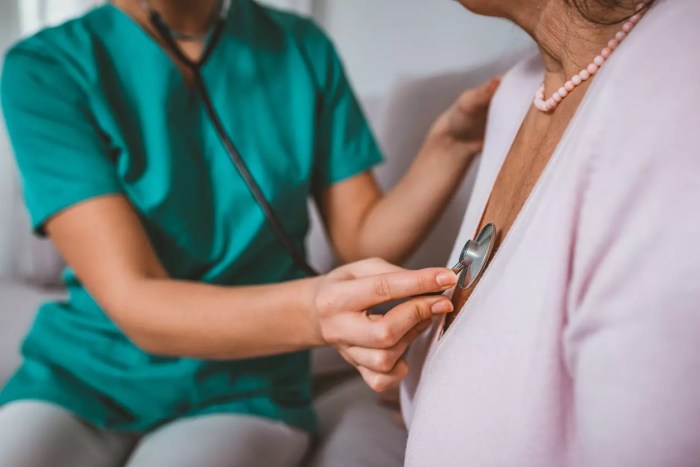
Common Health Concerns Addressed by Clinics
Common health concerns addressed by clinics – In today’s fast-paced world, health clinics play a crucial role in addressing a variety of health concerns. Patients often seek medical care for both physical and mental health issues, making clinics vital for the well-being of the community. Understanding the common health concerns that clinics address can empower individuals to seek appropriate care and maintain their health.
Common Physical Health Concerns
Physical health issues prevalent in clinics include conditions such as hypertension, diabetes, and respiratory illnesses. These conditions often present with symptoms like fatigue, frequent urination, and shortness of breath.
- Hypertension can lead to headaches and blurred vision.
- Diabetes symptoms may include excessive thirst and slow healing of wounds.
- Respiratory illnesses often manifest as coughing and wheezing.
Clinics employ various diagnostic methods to identify these physical health concerns, including blood tests, imaging studies, and physical exams. For instance, blood pressure readings and glucose tests are standard procedures for diagnosing hypertension and diabetes, respectively.
Mental Health Issues Addressed
Mental health disorders such as anxiety, depression, and bipolar disorder are commonly treated in clinics. These disorders can significantly impact a person’s daily life and well-being. Therapeutic approaches to mental health treatment often include cognitive-behavioral therapy (CBT), medication management, and lifestyle modifications. Clinics also recognize the importance of mental health screenings in primary care settings to detect issues early and provide timely interventions.
Regular screenings can facilitate discussions about mental health and reduce stigma.
Preventive Care Services
Preventive health screenings are essential services provided by clinics that help catch potential health challenges before they become serious. These screenings can lead to early detection of issues and better health outcomes.
| Preventive Service | Recommended Frequency |
|---|---|
| Blood Pressure Screening | Every 1-2 years |
| Cholesterol Screening | Every 4-6 years |
| Diabetes Screening | Every 3 years |
| Cancer Screenings (e.g., mammograms) | Yearly or as recommended |
Engaging in preventive measures can significantly reduce the incidence of chronic diseases such as heart disease and cancer.
Chronic Disease Management
Chronic diseases frequently managed in clinics include asthma, arthritis, and heart disease. Effective treatment protocols often involve a combination of medication, lifestyle changes, and regular monitoring. Patient education is crucial in managing chronic diseases effectively. Educating patients about their conditions helps them understand the importance of adhering to treatment plans, making lifestyle adjustments, and recognizing warning signs that may require immediate attention.
Pediatric Health Concerns
Clinics address various health issues faced by children, including asthma, allergies, and obesity. Routine vaccinations and check-ups are vital for child health, ensuring that children receive the necessary immunizations and health assessments.Clinics play a significant role in managing childhood obesity and promoting proper nutrition through education and support programs. By addressing these concerns early, clinics can help set children on a path to lifelong health.
Women’s Health Services
Common health concerns specific to women addressed by clinics include reproductive health issues, menopause management, and breast health. Various screenings, such as Pap smears and mammograms, are key components of women’s preventive care.Clinics offer a range of reproductive health services, including family planning, prenatal care, and treatment for menstrual disorders. By providing comprehensive care, clinics support women’s health throughout various life stages.
Geriatric Care Considerations
The elderly population faces unique health issues, including dementia, osteoporosis, and chronic pain. Tailored care plans for geriatric patients are essential to address their specific needs and improve their quality of life.Rehabilitation services available for older adults often include physical therapy, occupational therapy, and social support programs. These services help seniors maintain independence and enhance their overall well-being.
Patient Education and Outreach, Common health concerns addressed by clinics
Effective patient education strategies are vital for increasing awareness about common health concerns. Clinics often conduct community outreach initiatives, providing resources and information to empower individuals to take charge of their health.The impact of patient education on health outcomes and compliance is significant. When patients are informed about their health conditions and treatment options, they are more likely to follow medical advice and engage in preventive practices.